Tips To Balance Work and Horse Showing

Horse showing with a full-time job is a challenging task that requires a lot of commitment and planning ahead. Keep reading for a few tips from amateur riders who are professionals at balancing their work with a busy competition schedule.

Julia Weiss

Senior Director, Media at Giant Spoon
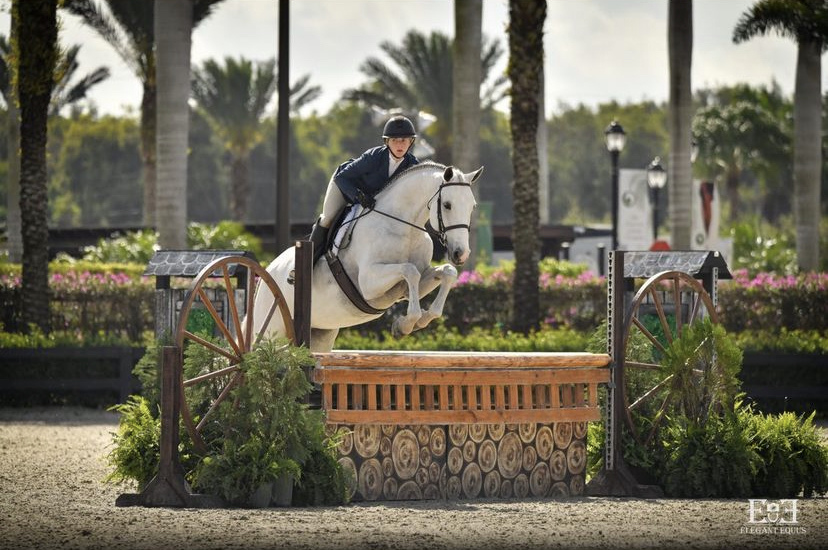
Photo by Elegant Equus Photography

What divisions do you compete in currently, and who do you train with?

I show in the Amateur-Owner Hunter and Jumper divisions. Right now I am in between horses but aspire to get back to competing in the High Amateur-Owner Jumpers again. I ride with Findlay’s Ridge based in North Salem, NY, and Wellington, FL.

What are some of the biggest challenges you face in balancing work with horse showing?

Time management! I always want to make sure I am doing the best I can in my professional and personal lives. My job is just that – my job – so I never want my riding to take me away from work in a way where someone has to pick up the slack. It’s tough to manage time working and riding, let alone time for yourself outside of those two pillars.

Finding the time to practice is another challenge. Most of what happens during a show is a result of the work that’s been put in before you get to the show ring. As an amateur, my time in the saddle is limited, which means I may make mistakes in the show ring due to a lack of practice at home. It’s hard when your competition didn’t go as you wanted it to, but you have to remember that in this sport what you get out is largely a reflection of what you put in.

What are your three favorite tips for successfully managing work and horse showing?
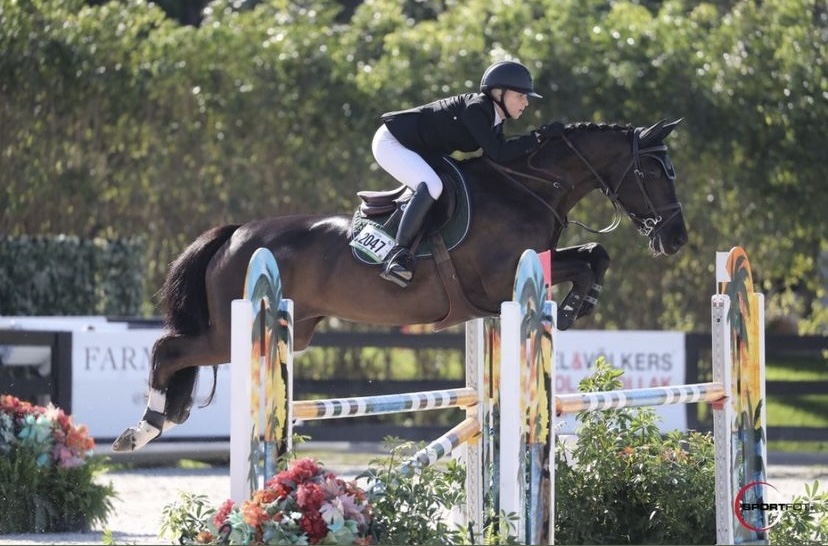
Photo by Sportfot

Open communication and transparency with your teams

Whenever I have a competition, I always let my team at work know when I may or may not be available so I can give them as much of a heads-up as possible. I’m lucky to work in an industry that allows me to step away from my computer and work from my phone to take calls and meetings as needed, and that my client deliverables and presentations are scheduled ahead of time. I’m also transparent with my trainer and barn managers about when I am unavailable, and when I need to be flexible. For example, if I have a call at a certain time, I’ll make sure they know that I need to go early or late in the order. If I have a client presentation on Thursday afternoon, we’ll look at the show schedule together to see if there’s a class earlier in the day that could better avoid potential conflicts.

You should know and understand what you are willing to be flexible on and what you are not flexible on. I try to make concessions with my riding schedule instead of my work schedule because, well, I get paid to work, not ride! I’ve been lucky enough to have missed neither an important client presentation nor a big competition. This is because of the support I receive from both of my teams.

Try to keep work separate from the ring and vice versa

There are times when I’ve walked up to the ring on my horse while on a work call and have had to hang up and warm-up for my class immediately. Obviously, it’s better to space out work and showing but if you have to do them back-to-back (or even more tricky, simultaneously), try to be fully present for the task at hand. Do your best not to take your client follow-ups into the ring with you. Similarly, keep your bad round out of your next Zoom meeting.

Take your competitions seriously, but not too seriously

With limited practice, you’re bound to make mistakes, and that’s fine. Remember why you’re doing it. For me, it’s about the mental challenge and the fun of competition. I constantly remind myself how lucky I am to be able to ride at all with a full-time job. It’s easy to lose sight of that sometimes but it’s critical to realize it in order to maintain your sanity and also continue to enjoy the full experience.

Alexandra Murray

Senior Associate in Business and Program Development at the Milken Institute
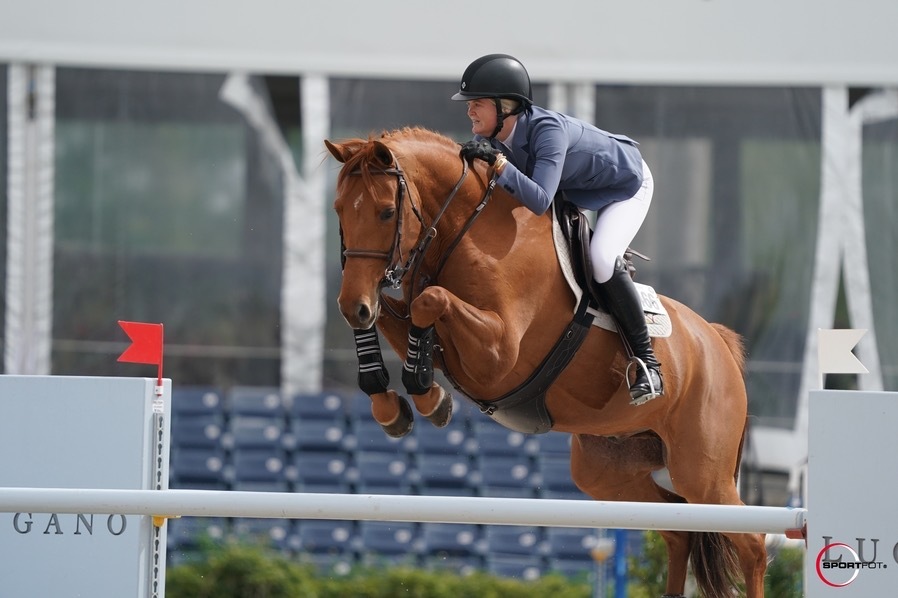
Photo by Sportfot

What divisions do you compete in currently, and who do you train with?

I compete in the High Amateur-Owner Jumper division and occasionally show in the regional grands prix. My current goal is to compete at the two-star level in the near future. I train with Lionshare Farm based in Bedford, NY, and Wellington, FL.

What are some of the biggest challenges you face in balancing work with horse showing?

Time management is my biggest challenge, and unfortunately, I have found that it is more an art than a science. With a full-time job, time in the saddle is limited and marginal compared to most of my competitors. I’m not deterred by this fact, mostly because I’m blessed to even be able to ride and compete, but also because I’ve found it motivating. Knowing this limitation, I put 110% of my effort into each ride and learn as much as possible.

What are your three favorite tips for successfully managing work and horse showing?
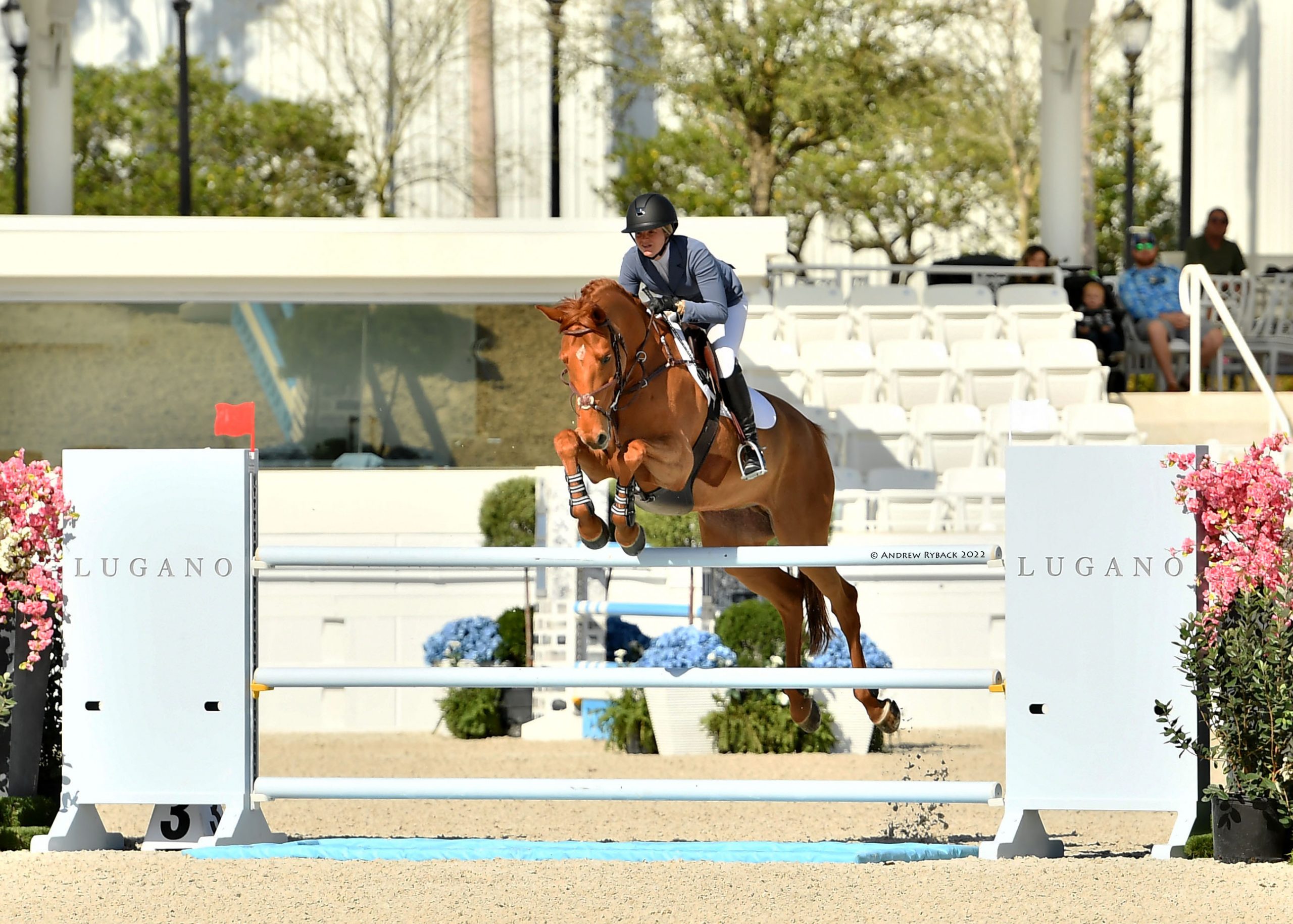
Photo by Andrew Ryback Photography

Plan ahead

This is definitely the “science” part of time management. My schedule for the week is always made by Sunday night. I like to arrange work calls during my commute to and from the barn, participate in competitions during quieter work months (when we are not hosting conferences), and plan calls or meetings around my classes during show weeks.

Stay flexible

Classes run late, people cancel, and sometimes there is traffic. Not everything goes according to plan, but don’t let that derail you. Depending on your prioritizations for the day, respond accordingly and move on.

Enjoy the ride, both literally and figuratively!

It is a privilege to live in New York City, ride with Lionshare Farm, and work at the Milken Institute. Though my calendar gets crazy, and at times it feels overwhelming, I am grateful for these opportunities. We are so lucky to work alongside such amazing animals, so we should savor and appreciate it!

Have questions about utilizing BarnManager or want to give it a try for yourself? Request a live demo here!
BarnManager is designed to be a part of your team, with the compatibility and credentials necessary to improve communication, simplify the management of horses, and get you out of the office, off the phone calls, and into the barn with the horses you care about! Click here to get a free demo and find out more!

Tips for Staying Organized With a Busy Show Schedule

Now that this year’s horse show season is kicking into high gear, it means lots of traveling to different competitions. Barns are often at a show for two weeks, home for a week, and then off to another new venue. This constant movement can make packing and unpacking a challenging task. Keep reading for a few tips from BarnManager on how to successfully plan for your travels from competition to competition this year.

Organize Horse Show Trunks

One way to simplify the packing process is to organize a few trunks that will only have horse show equipment. For example, create a trunk that is only for horse show scrims, coolers, and rain sheets. Put together a separate trunk for items such as show pads and towels. In a third trunk, you could keep extension cords, stall guards, zip ties, extra snaps, and other small items needed for the setting-up process. Once you have these trunks organized, make sure to add labels. You can label the outside of the trunk with the specific items that are packed inside. If the trunk has a cover put a label on the inside. When you get home from a show and do laundry, put the saddle pads or towels back in the trunk. This will save time once you start packing because the saddle pads, towels, coolers, and set-up equipment will already be ready to go.

Have Separate Horse Show Equipment

If possible, it is useful to designate separate horse show equipment that does not get used at home. These items could include bell boots, polos, schooling pads, lunge lines, and wall boxes with brushes. Once you arrive home from a show and clean these items, you can immediately repack them. This is also helpful if you leave a lot of horses at home because they will have their own supply of polos, bell boots, and grooming supplies.

If having separate equipment is not an option, try to clean items like boots, bell boots, and brushes as well as you can before heading home from the horse show. If you have less dirty equipment that needs to be cleaned, there is less unpacking and repacking once it is clean. This will help save time in the unpacking, cleaning, and packing process.

Unpack and Clean Immediately

When you come home from a horse show, especially if you know you will be heading out to another one soon, be sure to unpack and clean everything within a day or two. This might be a big task depending on how many horses were away and how much equipment you brought, so do not delay. Start by making a list of items to clean and repack. This way you can keep track of what needs to be done. For example, buckets should be cleaned, laundry should be done, fans should be stored, and tack should be unpacked.

Make Lists

Although it may seem like packing should become easier when you are constantly traveling from show to show, it can also be easy to forget items because there is so much on your mind. For this reason, lists are a must. A general packing list should be reviewed and checked off every time you start the packing process. Check out BarnManager’s horse show packing list here. It is also helpful to make separate lists for each horse or client. Some require a few specific items that may not need to get packed every time you head to a show. Also, while you are at the show keep a running list of any broken or needed equipment. When you get home you then know what you have to replace or purchase.

(Did you know? BarnManager has a list feature so you can easily create checklists and share them with your team!)

Refill Consumables

A small but important task when you get home from a competition is to remember to refill supplies like fly spray, tail detangler, and shampoo bottles. Creating a list of horse show supplies that are running low is an easy way to keep track of these items. If any of the containers are broken this is also a good time to replace them. You do not want to get to your next horse show and realize you are all out of important tools like fly spray or tail detangler.

Assign People to Certain Equipment

When packing and unpacking consider assigning people to certain jobs. For example, have one or two people in charge of tack while someone else oversees grain. It is overwhelming for one person to pack everything for a big show or a large number of horses. Having too many people packing the same items can also be an issue, so make a plan.

Do Your Research

Before you go to a horse show, do a little research on what the stalls and setup will be like. You might pack different equipment for tent stalls versus permanent stalls. Hanging drapes in tent stalls is usually fairly simple, but you may not be able to hang them in permanent stalls. Also, if the aisle is matted you will want to bring extra brooms instead of rakes for a dirt aisle. At some horse show venues, the manure removal is in garbage bins. This means you would only need a wheelbarrow for hay or moving equipment. By doing a little additional research you can prevent bringing unnecessary supplies.

While it may seem like a lot of work to constantly travel to different horse shows, visiting new venues with your horses and barn team is always an enjoyable experience, especially when you take the time to stay organized.

Have questions about utilizing BarnManager or want to give it a try for yourself? Request a live demo here!
BarnManager is designed to be a part of your team, with the compatibility and credentials necessary to improve communication, simplify the management of horses, and get you out of the office, off the phone calls, and into the barn with the horses you care about! Click here to get a free demo and find out more!

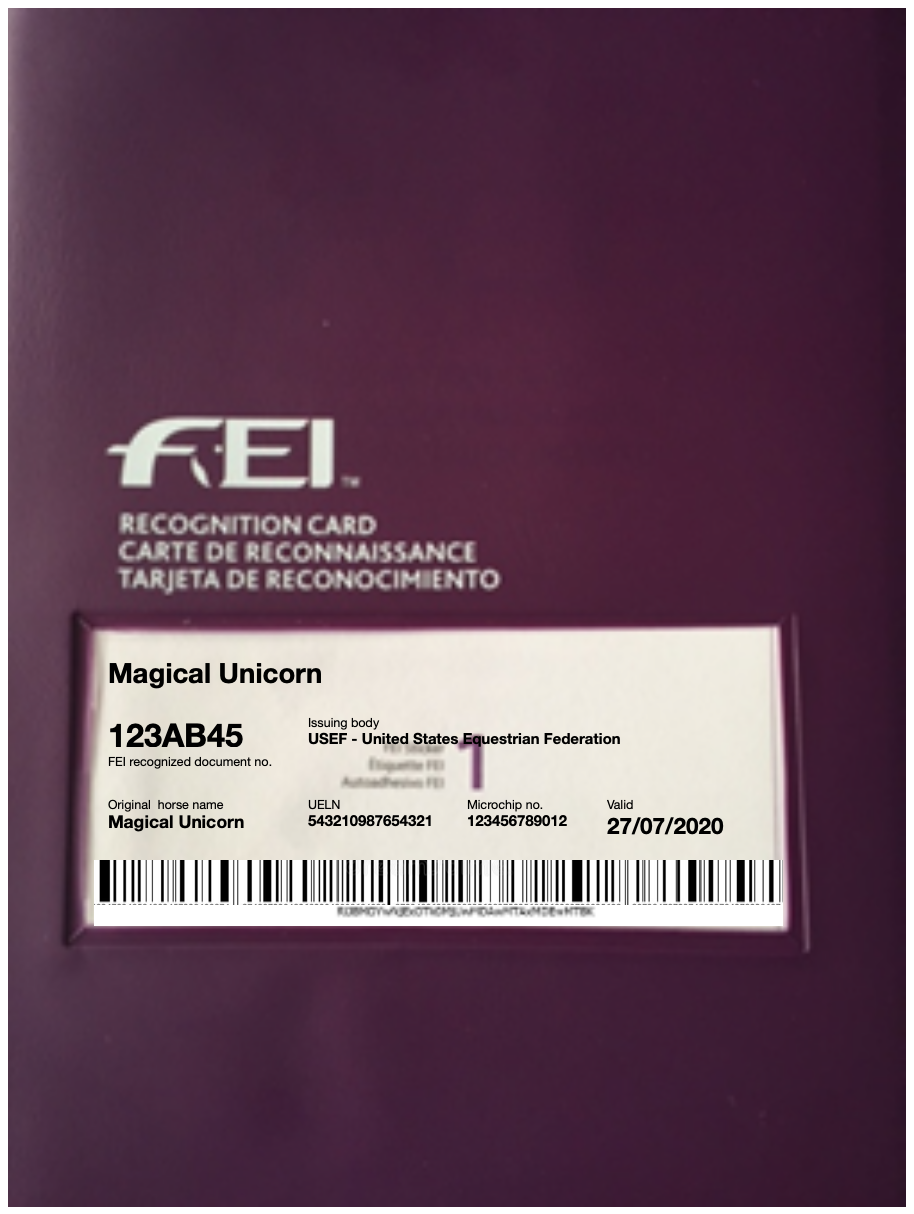
Getting Paperwork Organized for an FEI Competition: The Passport

Making the step from national to international- level competition is always exciting! Of course, participating in shows governed by the Fédération Equestre Internationale (FEI) comes with its own set of rules and paperwork. If you travel internationally, you need a passport, and similarly, your horse needs one to compete in designated international shows. If you’re thinking of competing in an FEI show, it’s important to make sure your horse’s passport is ready to go.

Many changes and updates to a passport must be completed at the United States Equestrian Federation (USEF) office in Kentucky. It is important to allow enough time for the passport to be mailed in, processed, and mailed back. Planning your competition schedule in advance will enable you to have enough time to make sure everything is in order.

Validation

Like human passports, horse passports are valid for a fixed number of years. The FEI requires a passport renewal every four years. The first step is to check to make sure your horse’s passport is current. Usually, you can find the expiration date on the front cover of the passport. Some passports have a more recent revalidation sticker on the back cover. If you only need to renew your horse’s passport you can submit a “Passport Service Application” to USEF. They will send you a revalidation sticker in the mail. You will have to send the passport in to USEF along with the application if there is anything else that needs to be updated. If your horse has never had a passport, or an old passport is lost, you can submit the “Passport Service Application” to the USEF for a new one.

Ownership

When you revalidate a passport, USEF will check that the ownership in the passport matches the ownership in its database. If the information does not match, USEF will require an ownership transfer to be recorded to correct the discrepancy. Any time a passport shows a new owner listed inside the front cover, the owner must physically sign the passport to make it official. Allow time to get this step completed as well.

Vaccines

Equine passports have a section dedicated to the horse’s vaccination record. Horses are required to be vaccinated against Equine Influenza Virus in order to participate in FEI events. Each time your horse receives an Equine Influenza Virus booster vaccine, it should be recorded in the passport by the administering veterinarian. The vet must include the vaccine serial number sticker as well as their official stamp and signature in order to make the vaccination recording complete.

When a horse’s vaccines are recorded consecutively, it’s referred to as a series. Check to make sure your horse’s vaccine series is continuous and correct. That means each vaccination recording is “complete,” and each booster is within seven months of the previous booster. If there is a previous booster in your horse’s vaccine series that is not “complete,” it makes the entire series invalid. This means your vet must start a new series. Your vet will also need to start a new series if your horse’s vaccine series has not been recently updated, creating an extended lapse between boosters.

Within the seven-month booster intervals, there is a window of time in which horses must have received their vaccine in order to enter FEI-designated stabling at the show. Horses need to be boosted within six months and 21 days of entering the FEI compound. They cannot enter if they have been vaccinated within the past seven days. Horses also cannot travel internationally if they have been vaccinated too recently. Therefore, it is necessary to be aware of this timing. Schedule your horse’s vaccines with your desired show and travel schedule in mind.

Coggins

Equine passports also include a section where Coggins can and should be recorded. A Coggins test is a blood test for Equine Infectious Anemia (EIA) typically taken annually by your veterinarian. All horses need proof of a negative Coggins test to show at both the national level and in FEI competition. A Coggins test is also necessary for your vet to generate a Health Certificate. This is necessary for your horse to be able to pass agricultural inspections while traveling across the country. While an annual coggins is sufficient for domestic travel, if you are traveling abroad for an FEI show, such as in Canada or Europe, you may need a more recent Coggins test.

What might seem like a lot to organize at first becomes less complicated as you maintain the passport over time. After you have all the logistics settled, you’ll be able to focus on the excitement of your first FEI competition!

Have questions about utilizing BarnManager or want to give it a try for yourself? Request a live demo here!

BarnManager is designed to be a part of your team, with the compatibility and credentials necessary to improve communication, simplify the management of horses, and get you out of the office, off the phone calls, and into the barn with the horses you care about! Click here to get a free demo and find out more!

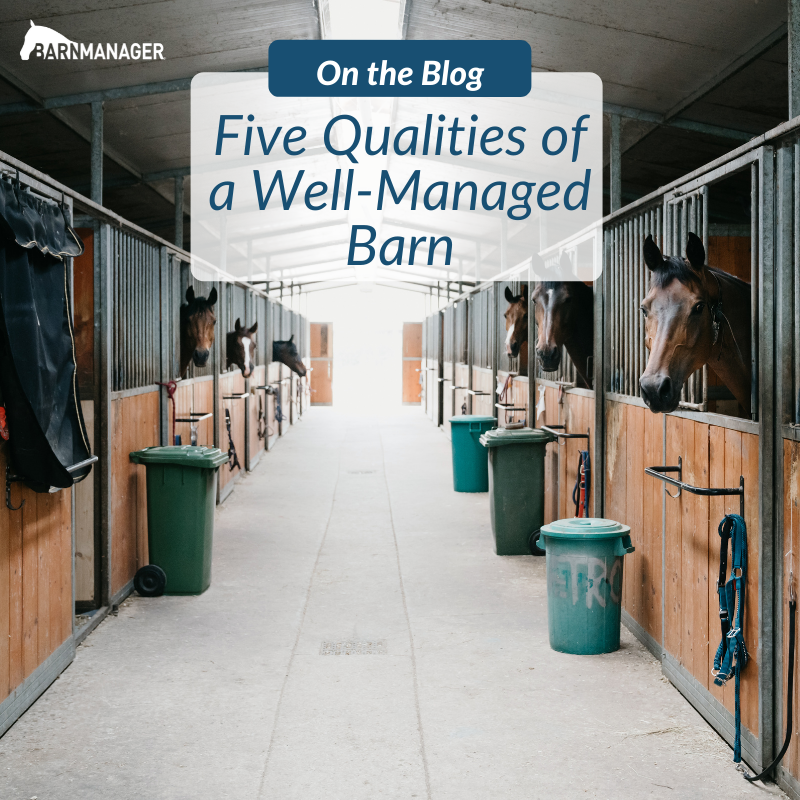
Five Qualities of a Well-Managed Barn

If you are a rider looking for a new place to keep your horse or a manager thinking about how to improve your barn, there are certain qualities that stick out at a well-run stable. Keep reading for five important characteristics of a well-managed barn.

1. Cleanliness

Overall cleanliness is an important detail to look for at a barn. Obviously, no barn will ever be spotless but the aisle, tack room, grooming stalls, and feed room should be swept and neat. It is also important to consider how clean the stalls are kept. Check stalls to see if they have been mucked recently and if the shavings are clean. Inspect water buckets and grain tubs to see if they have been cleaned recently. A dirty water bucket is never a good sign and can have a negative impact on your horse’s health. In the tack room, make sure there is no moldy tack. Bridles that are used less might not look freshly cleaned, but you do not want to see tack that has not been cared for in a long time.

2. Organization

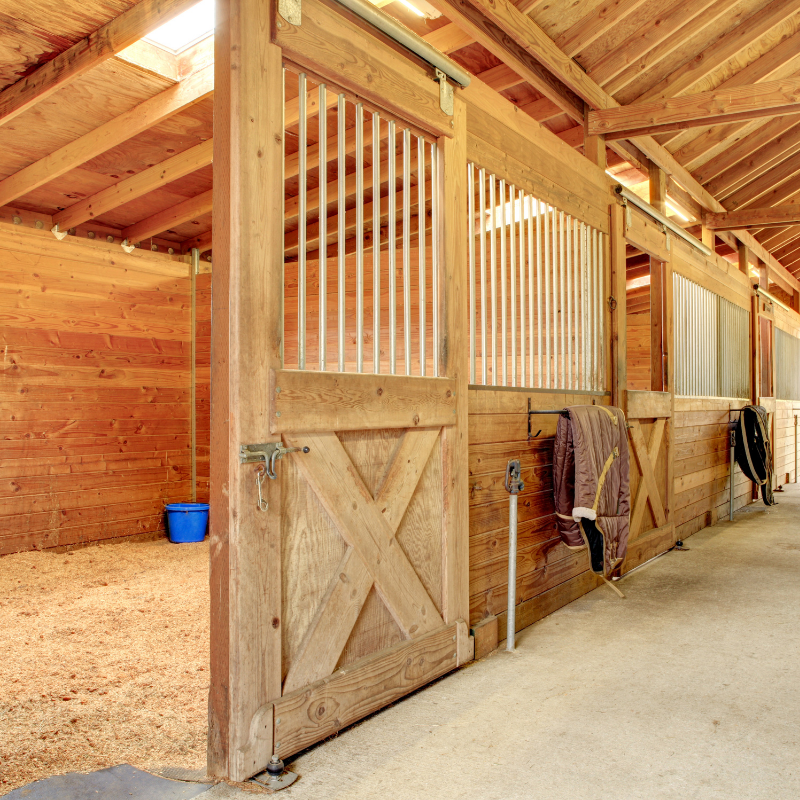
Beyond cleanliness, a definite sign of a well-run barn is organization. You should be able to get a feel of how organized the barn is by simply walking around. Details such as labels in the tack room, a well laid out feed room, and tidy grooming stalls can reveal how important organization is at the barn. If blankets or stable sheets are piled in random places, the barn may not be as organized as one where they are neatly folded on doors or in a specific room or area.

3. Teamwork

A barn where all staff members are communicating and working as a team is always a good sign. This is a must, even at a smaller local barn that does not attend horse shows. When employees are not working together, it can result in issues such as the wrong medication being given to a horse, turning out a horse that is supposed to stay in, or daily tasks being missed or forgotten. To get a feel for the level of communication and teamwork at a barn, try asking different employees a couple of questions about topics like turnout, medication, or feeding times. By spending a little time at the barn, you can observe whether people are only working on their own or if there is a solid flow of communication among employees.

4. Healthy Horses

The care of the horses should always be the top priority. Their condition is often a reflection of how well the barn is managed. Some horses are naturally leaner while others are easy keepers and retired horses will have less muscle than a top-level jumper, but their overall condition should be good no matter what. The horses should not be severely underweight or overweight, they should have a healthy-looking coat whether or not they are clipped, and they should have a bright demeanor.

When a barn has healthy looking horses, it shows that the staff is observant and able to come up with a routine that works for each horse. Especially with feeding, it is important that the barn allows for horses to have individualized programs with differing amounts of hay and grain, types of grain, and supplements depending on specific needs.

5. Reliable Routine and Schedule

A well-run barn should have a fairly clear daily schedule. Grain and hay should be given around the same general times every day. Lesson times should also be clearly written down so that, depending on the type of barn, boarders can schedule a time to ride. Certain instances are difficult to predict, such as timing for a veterinarian coming to check a horse, but overall there should be a schedule for everyone to see and plan around.

Running a well-managed barn is no easy job and an undertaking that should definitely be praised. It is important to see the signs as a rider so you can be sure your horse is in the best care. Understanding the qualities of a well-run barn as a manager can help you up your game and provide top care for the horses at your facility.

Have questions about utilizing BarnManager or want to give it a try for yourself? Request a live demo here!
BarnManager is designed to be a part of your team, with the compatibility and credentials necessary to improve communication, simplify the management of horses, and get you out of the office, off the phone calls, and into the barn with the horses you care about! Click here to get a free demo and find out more!

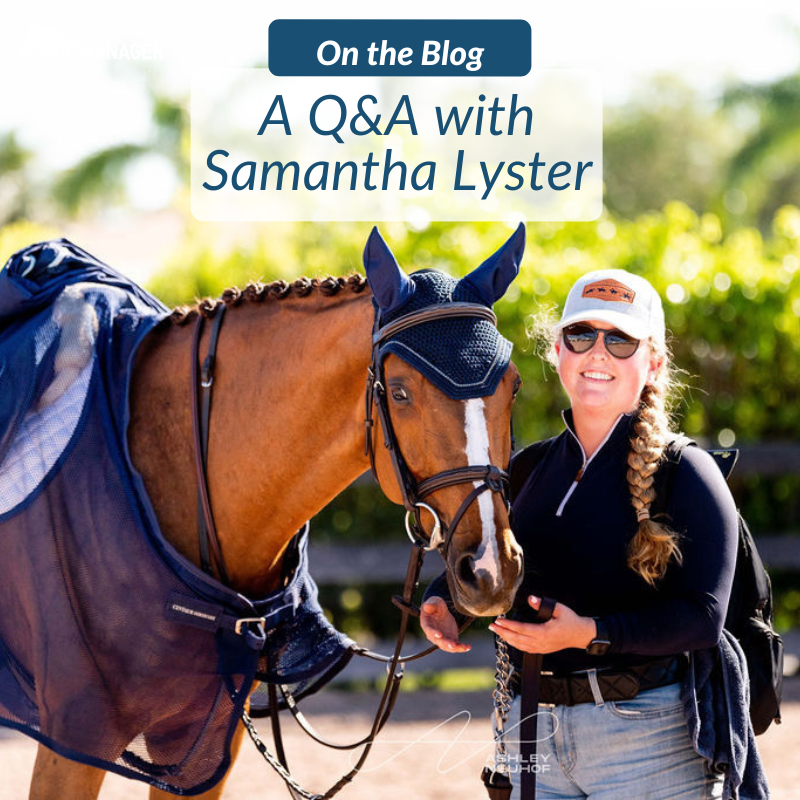
The BarnManager Q&A With: Samantha Lyster

The BarnManager Q&A With:

Samantha Lyster, Head Groom at Artemis Equestrian Farm, located in Wellington, FL, and Greenwich, CT

What are three things that are always in your ring bag?

I always have a leather hole punch, a pair of scissors, and Band-Aids. They seem a little silly, but they are the things I’m most often asked for at the ring, both by the people I work for and by other grooms who don’t have them handy.

What is the most helpful habit that you practice at the barn?

Patience. It is still something I struggle with, and it is often easy to forget. It can be applied in all situations, with both horses and humans.

Samantha Lyster with her own Dame Amour. Photo by Ashley Neuhof Photography

How do you foster a great team environment in your business?

This can be difficult unless you’re lucky enough to have a group of people that get along instantly. I think it is important to keep everyone informed of the day’s plan, even if it doesn’t necessarily apply to them, because it keeps the whole team feeling involved. Also, make sure to be aware of how everyone does things a little differently and make an effort to include their ideas.

What’s your best tip or hack for grooming and horse care? Where did you learn it?

If you think you’ve curried enough you haven’t, and you should keep going. Also, try to use different types of curry combs. The best way to get a horse to shine is to really stimulate their skin, get those natural oils working to your advantage, and remove all that dead hair and dirt. I learned that from my coworker, Jose Rios. He also pointed out the importance of having multiple curry combs like a mitt, a thick rubber one, and a metal one. They all have their own job.

 What is your favorite equestrian competition and why?

I’ve only been once, but I really liked Lake Placid. The show itself had a great atmosphere, and the town was super neat. The surrounding areas had lots of places to explore!

If you were a horse, what would you be and why?

If I were a horse, I would probably be someone’s quarter horse they trail ride. I really like to be out and about and explore new areas and sights!

Have questions about utilizing BarnManager or want to give it a try for yourself? Request a live demo here!
BarnManager is designed to be a part of your team, with the compatibility and credentials necessary to improve communication, simplify the management of horses, and get you out of the office, off the phone calls, and into the barn with the horses you care about! Click here to get a free demo and find out more!

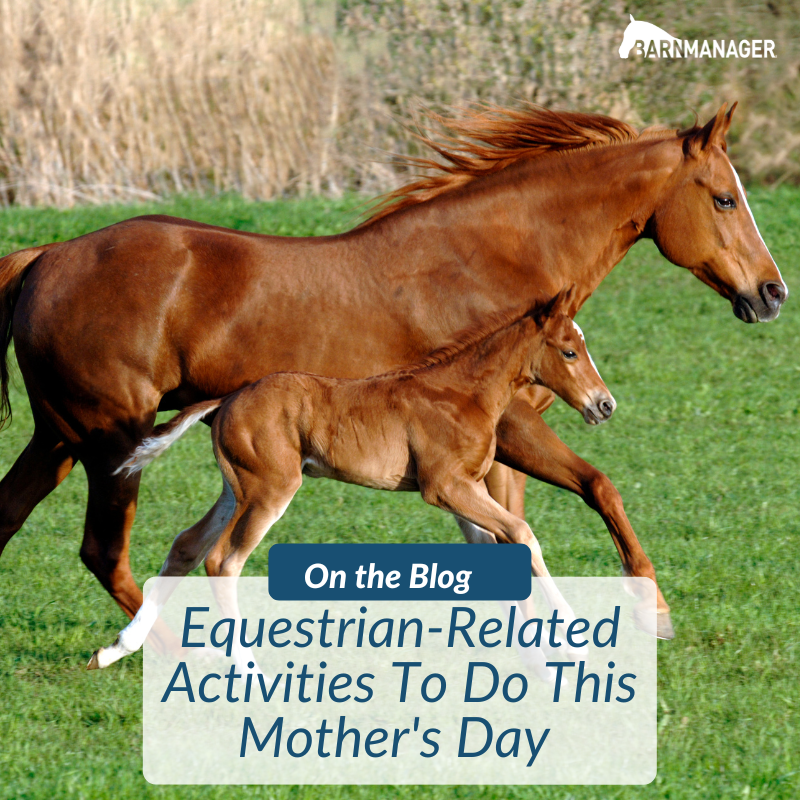
Equestrian-Related Activities To Do This Mother’s Day

Horse moms are there for early morning horse shows, good rides, bad rides, and everything in between, which is why they deserve a special Mother’s Day. Plan a perfect horse-themed Mother’s Day this year with some of the suggestions below.

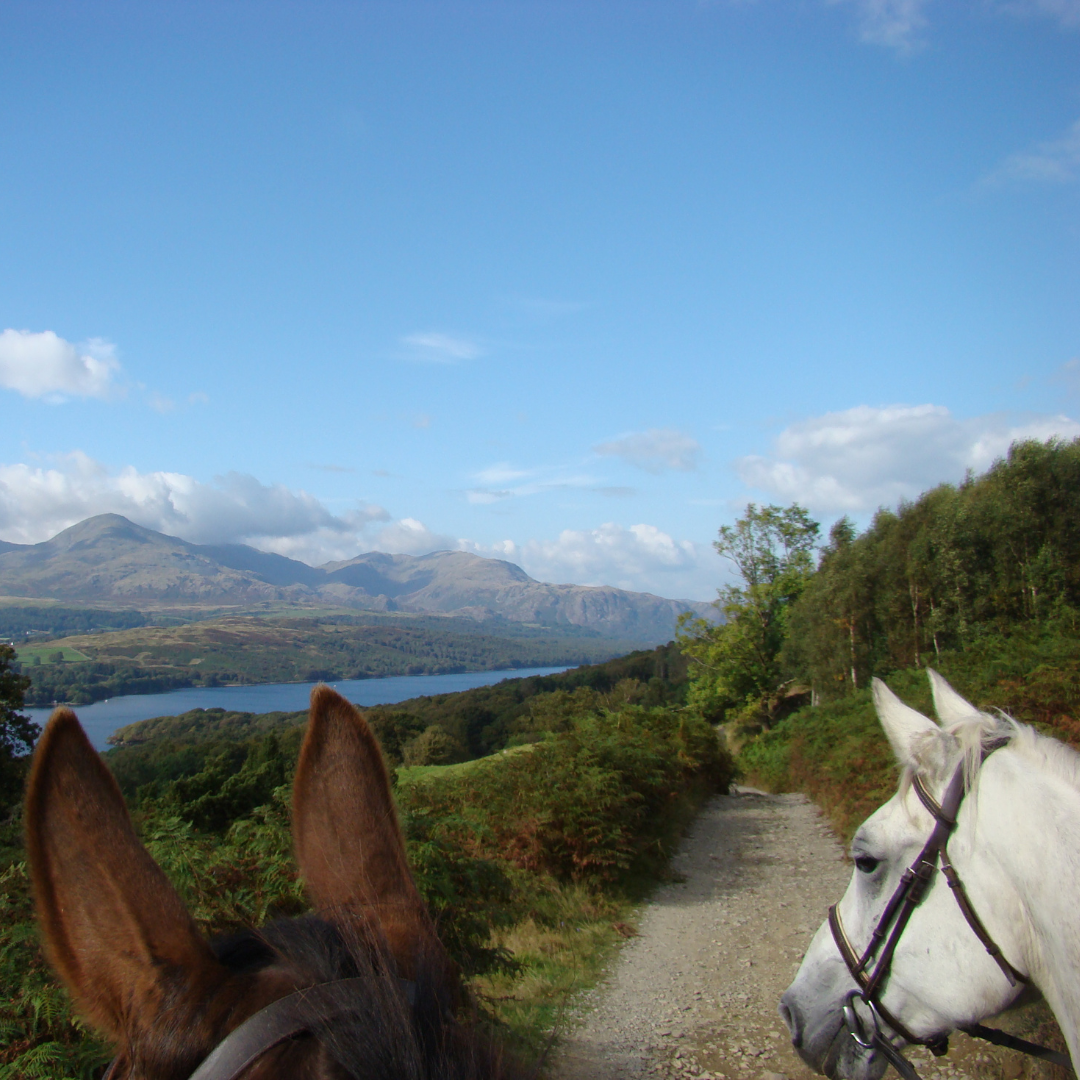
Go for a Trail Ride

A Mother’s Day trail ride is a great way to enjoy the beautiful spring weather. Horse moms look forward to relaxing during this holiday, so a trail ride is a perfect activity. It’s also always nice for both horses and riders to get out of the arena. You can even invite a group of your barn’s horse moms to go out on the trail together.

Plan a Picnic at the Barn

Treat your horse mom to a special lunch at the barn. Pick a quiet spot around the barn and pack a few of her favorite foods so she can enjoy a great meal surrounded by horses. You can either make the food yourself, or order from her favorite close-by restaurant. Or go big and organize a potluck lunch for all the horse moms and your barn featuring easy-to-serve food and of course a cake!

Go to a Tack Shop

Equestrians love spending hours at a tack shop browsing through all of the clothes and equipment. Since buying a gift for horse moms can be a difficult task, take her to your local tack shop for a mini shopping spree and let her choose a present.

Stage a Photography Session

Plan a photography session with your mom and her favorite horse. Even if you do not have professional camera equipment, iPhones can take great photos with proper editing. All you have to do is give her horse a bath, pick a spot with a nice background, and start taking photos. This can be a fun way to celebrate your mom, and if you print the photos and put them in a frame it also makes a great keepsake gift.

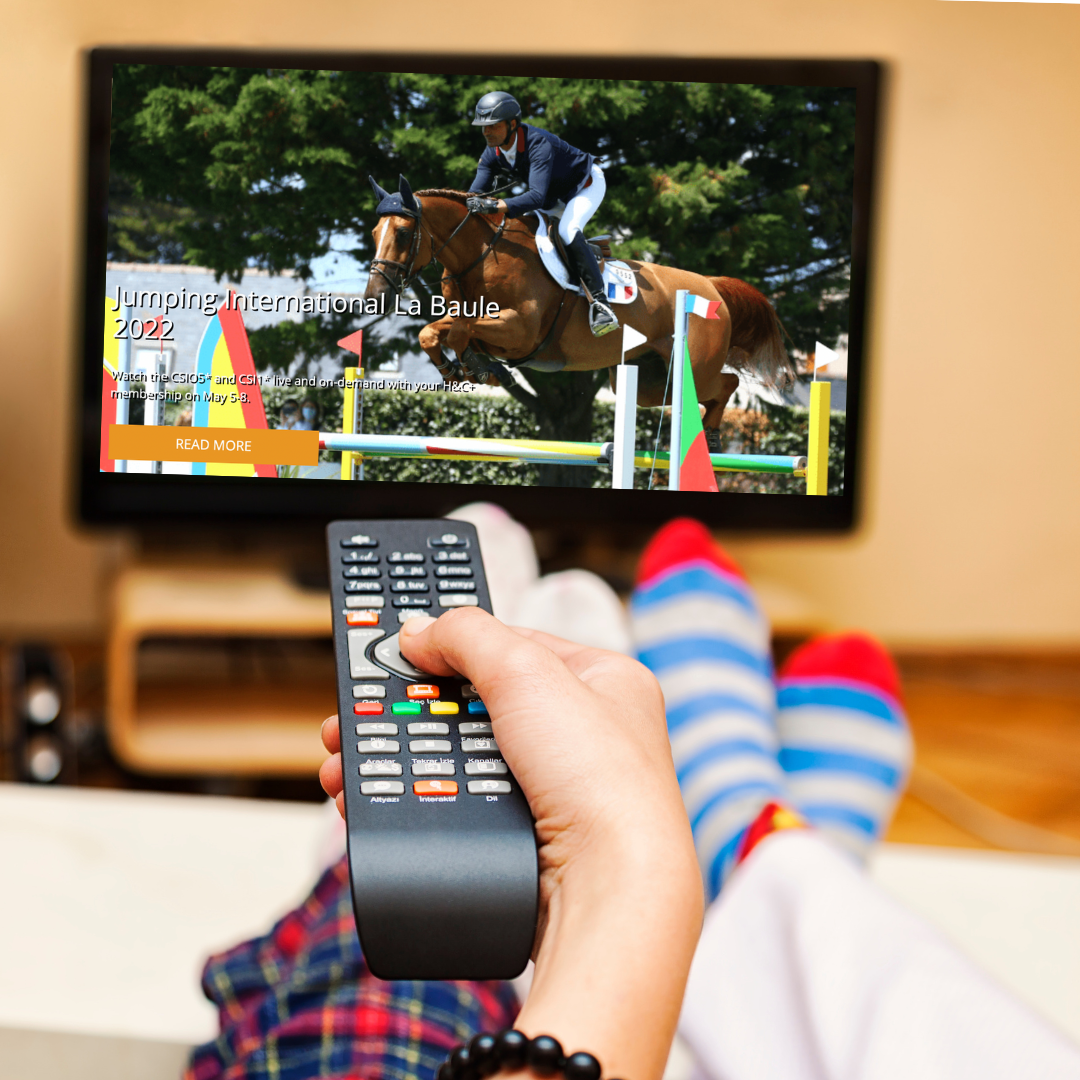
Relax and Watch a Fun Class

There are several horse shows taking place on Mother’s Day that could be fun to attend if you are close by. Relaxing and watching some of the bigger classes on the weekend is always an enjoyable and exciting way to spend the day. If you are not near any horse shows, there are a few live streams covering big events around the world. There are also several horse shows that are on demand, so you can watch a past event together as well. Whip up some yummy snacks and beverages and spend the day watching your favorite discipline.

Click Here for a List of May Live Streams.

Make a Day of It

Go above and beyond this year for Mother’s Day by planning an entire day filled with several of these equestrian-related activities that she is guaranteed to love.

Have questions about utilizing BarnManager or want to give it a try for yourself? Request a live demo here!
BarnManager is designed to be a part of your team, with the compatibility and credentials necessary to improve communication, simplify the management of horses, and get you out of the office, off the phone calls, and into the barn with the horses you care about! Click here to get a free demo and find out more!

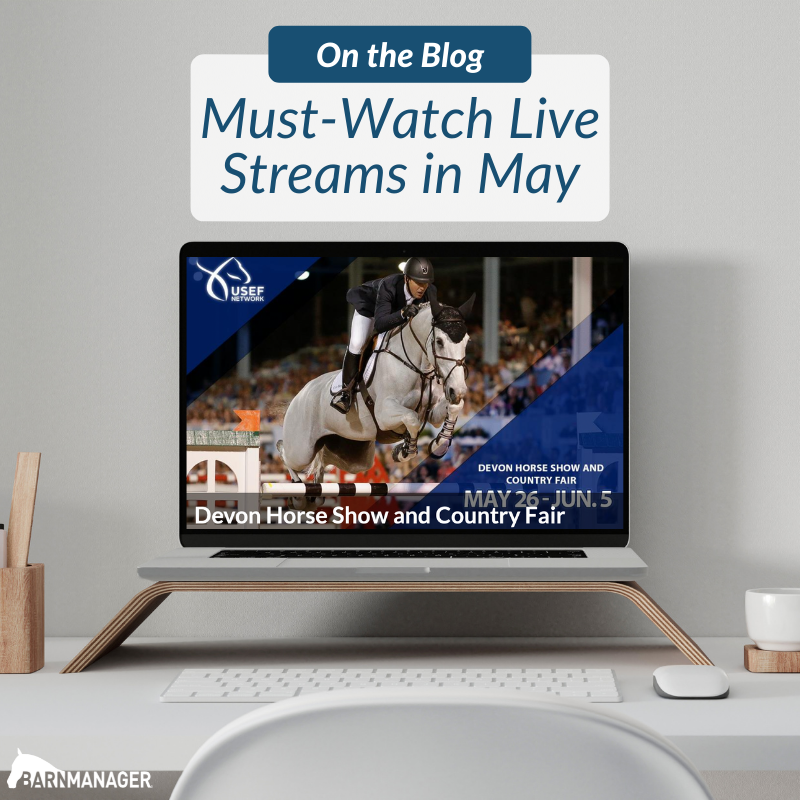
Must-Watch Live Streams in May

Before some of the major summer horse shows begin, the month of May includes several exciting hunter, jumper, equitation, eventing, and dressage competitions both nationally and internationally. Learn about some of BarnManager’s favorite upcoming horse shows and where to watch them no matter where you find yourself this month.

Intercollegiate Horse Shows Association National Championship: May 5-8, 2022 – The Intercollegiate Horse Shows Association (IHSA) National Championship takes place at the Pennsylvania Farm Show Complex and Expo Center in Harrisburg, PA. Collegiate riders who have qualified for the championship will compete in Hunter Seat and Western classes.

Where to watch: ClipMyHorse.TV

International Jumping de La Baule: May 5-8, 2022 – This international competition takes place in La Baule, France, and includes five-star show jumping competition. The two main classes will be the Nations Cup – Ville de La Baule on Friday, May 6, and the Rolex Grand Prix Ville de La Baule on Sunday, May 8.

Where to watch: Horse & Country

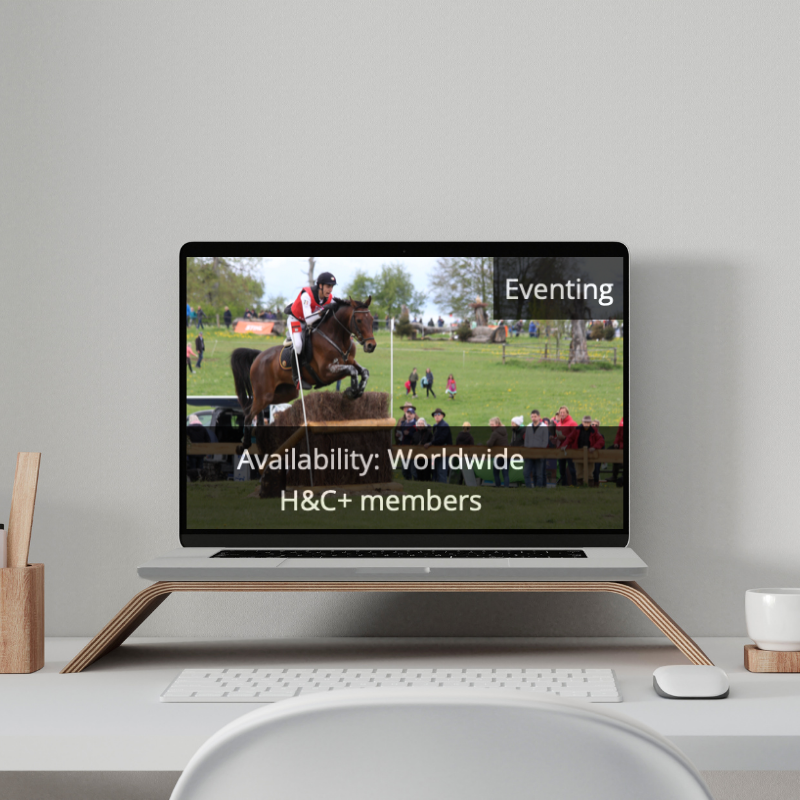
Marbach International Horse Trials: May 8-10, 2022 – The Marbach International Horse Trials are held in Marbach, Germany, at one of the oldest stud farms in the world, The Marbach Stud. This event will have both four-star and two-star eventing competition.

Where to watch: Horse & Country

I.C.E. Horseboxes All England Dressage Festival: May 11-14, 2022 – The I.C.E. Horseboxes All England Dressage Festival will take place in Hickstead, England. The show has three arenas featuring international top-level dressage competition.

Where to watch: Horse & Country

Longines Global Champions Tour (LGCT) Madrid: May 13-15, 2022 – The Longines Global Champions Tour (LGCT) Madrid is the first European event on the circuit. The show is held at the Club de Campo Villa de Madrid. LGCT Madrid will have an international field of show jumping horse and rider combinations and feature Global Champions League competition on a beautiful grass arena.

Where to watch: GCTV

Old Salem Farm Spring Show Week II: May 17-22, 2022 – The second week of the Old Salem Farm Spring Show in North Salem, NY, includes hunter, jumper, and equitation competition. The show will be a World Championship Hunter Rider (WCHR) event and also offer four-star show jumping classes. Junior equitation riders will compete for the top prize in the Governor’s Perpetual Hunt Seat Cup.

Where to watch: ClipMyHorse.TV

Devon Horse Show and Country Fair: May 26-June 5, 2022 – The Devon Horse Show and Country Fair is one of the oldest and largest outdoor multi-breed competitions in the United States. Located in Devon, PA, this event will showcase some of the best hunter, jumper, and equitation competition in the country. Thursday, June 2, will feature two highlight classes, the $25,000 USHJA International Hunter Derby as well as the Sapphire Grand Prix of Devon.

Where to watch: USEF Network


Five Tips for a Shiny Summer Coat

As an equestrian, nothing beats someone telling you that your horse has a beautiful coat. Now that spring is here and horses are beginning to shed out, it is time to start thinking about how to get their coat looking healthy and shiny for the summer. Keep reading for a few of BarnManager’s favorite tips for a fantastic summer coat.

1. Groom Properly

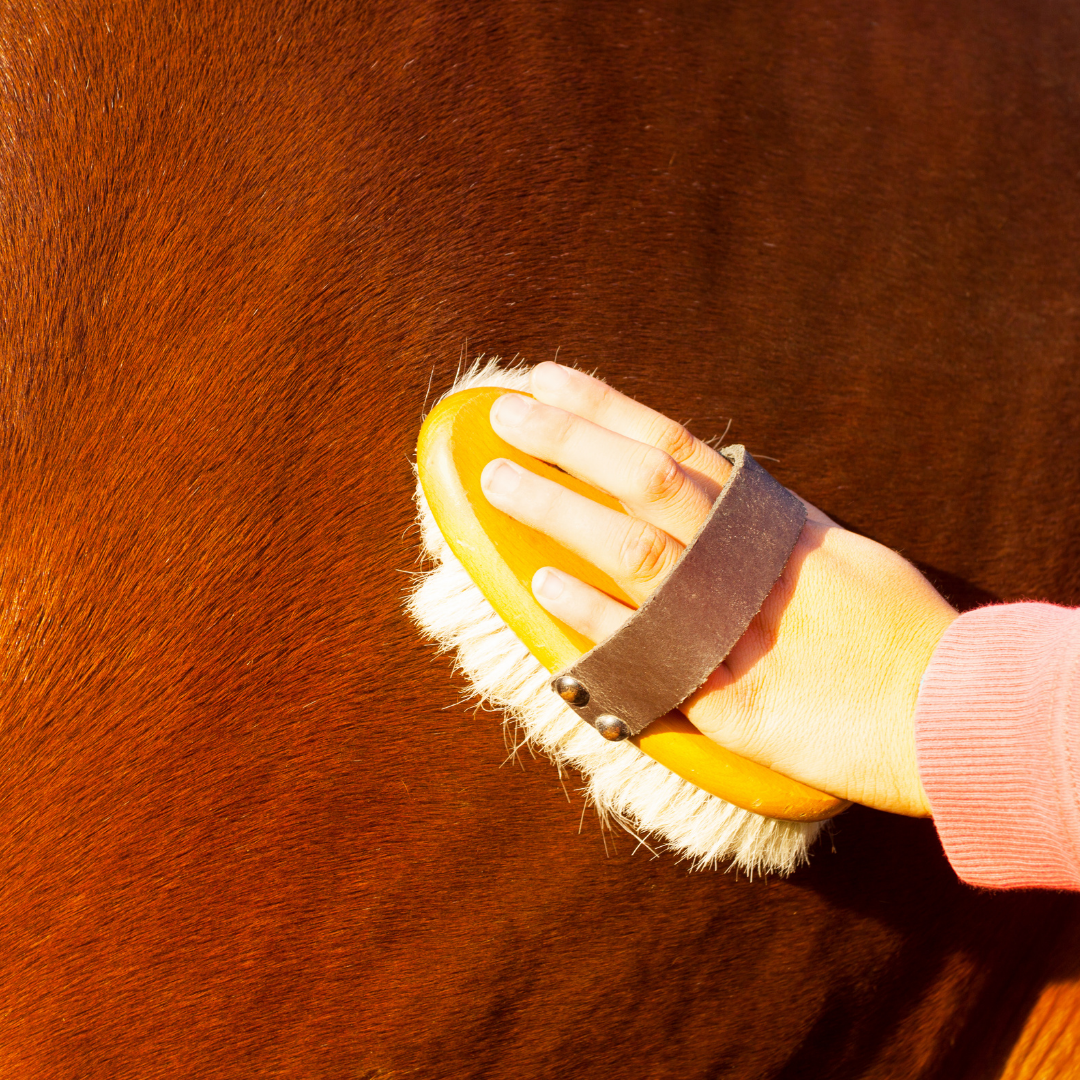
One of the easiest and cheapest ways to give your horse a shiny coat is to groom them properly. This is especially important if they were not clipped during the winter and are shedding out. Grooming your horse is not only good exercise and helpful for their coat, but it also gives you time to check for any new bumps or scratches. Start with currying your horse, which loosens all the dirt and dead hair and brings out the natural oils. This step is essential for a healthy-looking coat. Next, use a hard brush to get all of the dirt and dead hair off of your horse and also distribute the oils. Going over your horse afterwards with a towel will grab any dirt or dust that was left behind and ensure that your horse’s coat is lying flat. It is also important to clean your grooming tools regularly because dirt builds up quickly, and you do not want to spread it while brushing your horse.

2. Good Diet

A shiny coat often starts from within. A balanced diet is key to making sure your horse has a gleaming coat this summer. It is important to feed good hay that has a nice green color and is not dried out or dusty. Hay is an extremely important part of a horse’s diet because it provides nutrients. Adding supplements into your horse’s feed can also be beneficial. For example, Vitamin E and selenium are two supplements that can help your horse’s coat. If you are not sure your horse has a balanced diet or is getting proper nutrients, consider talking with a nutritionist.

3. Do Not Over Bathe

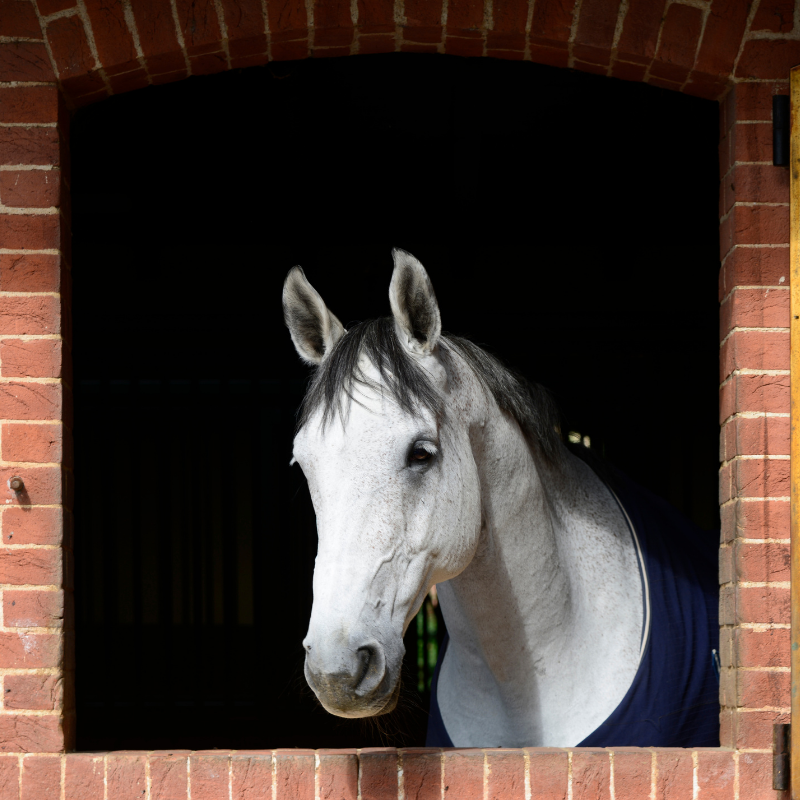
When it gets warmer it is easy to bathe horses too frequently, especially if they are grey. While it may seem like a good idea to keep them clean, it can dry out their skin and coat. Also, legs that are are not dried properly can be susceptible to scratches and other skin conditions. If your horse does get warm after exercise, try sponging and toweling off where they are sweaty or putting fans in front of them so they dry faster. For owners of grey horses, spot removers are useful for removing stained areas without doing a full bath. If you must bathe your horse during the hot months of summer, consider using conditioner instead of shampoo. This will help moisturize the coat instead of drying it out. When applying, avoid the saddle area as this will make it very slippery. Also, do not put conditioner in the mane or tail if you plan on braiding your horse for a competition in the near future.

4. Protect From the Sun

During the spring, summer, and early fall a horse’s coat can often get sun bleached from being turned out, especially if the paddock is not well-shaded. This can be solved by either doing night turnout or getting a fly sheet to protect your horse from the sun as well as flies. A fly sheet may also help keep your horse a little cleaner so you can avoid daily baths.

5. Invest in a Coat Shine Product

To add a little extra gleam to your horse’s coat, purchase a coat shine product. There are many options that can help make your horse’s coat soft, shiny, and healthy. These sprays often contain conditioner that moisturizes the coat. Make sure to check the ingredients and avoid any products containing silicone, which can actually dry out the coat. Similar to applying conditioner during a bath, be careful about avoiding the area where the saddle goes.

Whether or not you plan on showing, a beautiful, healthy, and shiny coat is something that all horse owners can achieve. Test out these tips this spring to get your horse’s coat looking its best.

Have questions about utilizing BarnManager or want to give it a try for yourself? Request a live demo here!
BarnManager is designed to be a part of your team, with the compatibility and credentials necessary to improve communication, simplify the management of horses, and get you out of the office, off the phone calls, and into the barn with the horses you care about! Click here to get a free demo and find out more!

Spring Cleaning Your Barn: The Jobs That Are Often Overlooked

By Emily & Sarah Harris, Sisters Horsing Around

Those of us who live in areas with cold winters look forward to warm weather, sunny days, and more riding. Now that spring is here, it is also time to do some barn cleaning. Even though spring is a great opportunity to get some much-needed deep cleaning done, there are a few jobs that are often overlooked. Some of these jobs can be tedious, others seem unimportant, but either way, they make a big difference in the long run.

Disinfect the Stalls

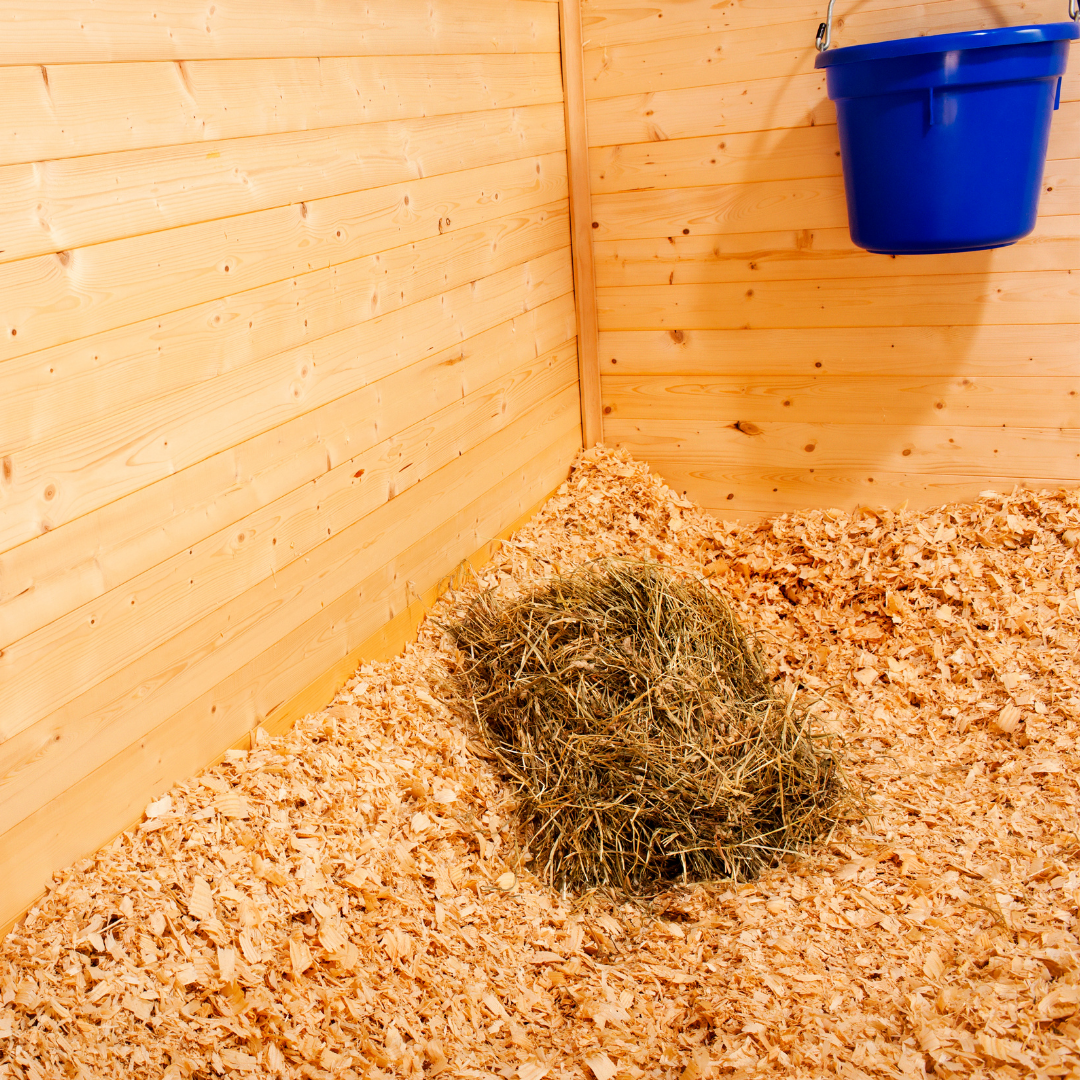
Thoroughly cleaning the stalls and disinfecting them is a task that is recommended and important but one that not many do. If the stall has a dirt base, then this will be more difficult, but there are ways to work around that. Make sure to empty the stall completely before starting. This includes removing horses, manure, bedding, stall mats, food, water, etc. Kentucky Equine Research suggests washing down the entire stall with a “10% bleach solution first to help remove biofilms that can protect bacteria from disinfectants,” and let it dry. If using stall mats, be sure to thoroughly clean them as well. Then spray the stall with a veterinarian-approved disinfectant and leave it to dry. Once the stall is completely dry, sprinkle the bare floor with some barn lime or a stall absorbent, put everything back in, and add bedding.

Clean the Wash Stall

The wash stall is a place that is used frequently and can easily fall into disarray. Your best bet is to completely strip the area and wash down the surfaces. Remove tripping hazards and anything that can cause entanglements. Throw away any empty bottles, broken tools, tattered sponges, and rags. Then replace all the necessary items neatly. For indoor wash stalls, if space allows, keep everything well-organized by adding a shelf or hanging basket to hold bottles and tools. For outdoor wash stalls, a good barn hack is to use milk crates to keep wash items together. The holes in the milk crates will prevent water from collecting inside.

Clean Stall Fans

Cleaning stall fans is important not only to make the barn look clean but also for safety reasons. Stall fans have become a popular tool used throughout the hot summer and early fall months. Begin by reconsidering the type of fan you are using to keep your beloved equines cool. Some fans are not well-suited for the barn because of the potential risks they pose. For example, light-duty box fans can be purchased practically everywhere, but they can be a major fire hazard in a barn due to their open motor compartment. Agricultural fans are the safest because they have a sealed motor compartment and can withstand dust, dirt, and debris. These fans will only need a quick blow with a leaf blower or air compressor to get them clean. Make sure they are unplugged before starting.

Pressure Wash the Barn

Cleaning the outside of the barn is something that is often overlooked. Using a pressure washer is a quick and efficient way to clean remove dust, dirt, mold, and mildew. Trust us, the results are quite impressive and very satisfying. After a good cleaning, the barn will have a refreshed and like-new appearance. Be sure to clean on a sunny, dry day because pressure washing will result in a lot of water outside the barn.

Managing the Manure Heap/Dump Station

Managing the manure heap is an ongoing task but turning it over at least once will help in composting. If turning it is not an option, cover it with a tarp to speed up the process. The composted manure can be used to fertilize a garden or help with landscaping plants on the property.

Recharge/Replace Fire Extinguisher

Recharging or replacing fire extinguishers is something that should be done regularly. Check each gauge to see what is needed. If the needle is on red, recharge it or replace it right away. If a fire and safety equipment company is not easily accessible, it may be cheaper to replace the fire extinguisher than to recharge it.

Check Gates

This task should never be neglected. A gate that is in good repair not only looks nice, but functions much better than a gate in poor condition. Remember that gates help to keep horses contained and safe, while providing us with access to them. Since many clever equines learn how to manipulate gates as an escape route, make sure that they are all in good condition. Check paddock gates to make sure they do not drag on the ground, tighten up any loose nuts or bolts, fix or replace latches, add a wheel for easier opening, and touch up with paint wherever needed.

Another task to add to your spring-cleaning list is oiling the hinges. Nobody likes creaking hinges and poorly moving doors, so don’t forget to lubricate the hinges to keep the doors and gates working smoothly.

Replace Equine Activity Signs 

Making sure the Equine Activity signs are always visible and easy to read may not seem like that big of a deal but don’t neglect this task. If the sign is dirty, clean it up. If it is broken or missing a piece, replace it. Add extra signs in various places and at multiple entrances to the barn to ensure that people are well informed about equine liability laws and what their responsibilities are as a participant.

It is very easy to get so lost in cleaning up that some jobs will completely fall of your to-do list in the usual scramble to get things done. We hope this list will help tackle those jobs that often escape our minds to do. After completing these tasks, you will be ready to take on the rest of the year with a fresh clean start. Happy cleaning!

Have questions about utilizing BarnManager or want to give it a try for yourself? Request a live demo here!
BarnManager is designed to be a part of your team, with the compatibility and credentials necessary to improve communication, simplify the management of horses, and get you out of the office, off the phone calls, and into the barn with the horses you care about! Click here to get a free demo and find out more!


See Barn Manager in Action

Ready to streamline your barn’s operations?


Book a quick demo and discover how Barn Manager can save you time, keep your team organized, and give you peace of mind.